


Treating astigmatism is an important topic of interest to many people who experience blurred vision. Astigmatism, also known as blurred vision, is a common condition caused by a change in the shape of the cornea or lens inside the eye, resulting in distorted vision. Astigmatism can be treated using various methods, including eyeglasses, contact lenses, and modern vision correction techniques such as laser surgery. This article will discuss the causes of astigmatism and the different treatment options in detail.
Its causes:
- Genetic factors: Heredity plays a significant role in the likelihood of developing strabismus. If one or both parents have this condition, their children are more likely to inherit it.
- Corneal abnormalities: Congenital or acquired abnormalities in the shape of the cornea lead to an abnormal curvature, causing astigmatism.
- Eye injuries: Direct injuries to the eye can affect the shape of the cornea or lens and cause astigmatism.
- Eye diseases: Some diseases, such as keratoconus, increase the likelihood of developing strabismus.
- Previous eye surgery: Some eye surgeries, such as cataract removal, may lead to changes in the shape of the cornea and thus astigmatism.
Its treatment:
Fortunately, strabismus can be treated using several effective methods, depending on the severity of the condition and the patient's needs. The following are some of the most common treatments for strabismus:
- Prescription eyeglasses: Prescription eyeglasses are one of the most common solutions for correcting astigmatism. The lenses are designed to correct the refraction of light.
- Contact lenses: Special contact lenses for astigmatism, such as rigid or toric lenses, help to greatly improve vision.
- Laser vision correction: Laser techniques such as LASIK and PRK are advanced options for correcting the shape of the cornea and permanently treating astigmatism.
- Surgical treatment: In some severe cases, surgical intervention may be necessary to modify the shape of the cornea or implant lenses inside the eye.
- Eye health care: Maintaining eye health by avoiding visual strain and following a diet rich in elements beneficial to the eyes, such as vitamin A, helps reduce the symptoms of strabismus.
Read also: How to use contact lenses
Types of lenses used to treat corneal astigmatism
//<![CDATA[ window.__mirage2 = {petok:"6lQT3HU542QK_1C7RWodkcv5opBtOtqebcunqJtvb_M-1800-0.0.1.1"}; //]]> //<![CDATA[ window.__mirage2 = {petok:"D8i5VuVzXaT251mnusmyyhwiSIUH_.yh1pX.6fKhqbI-1800-0.0.1.1"}; //]]> 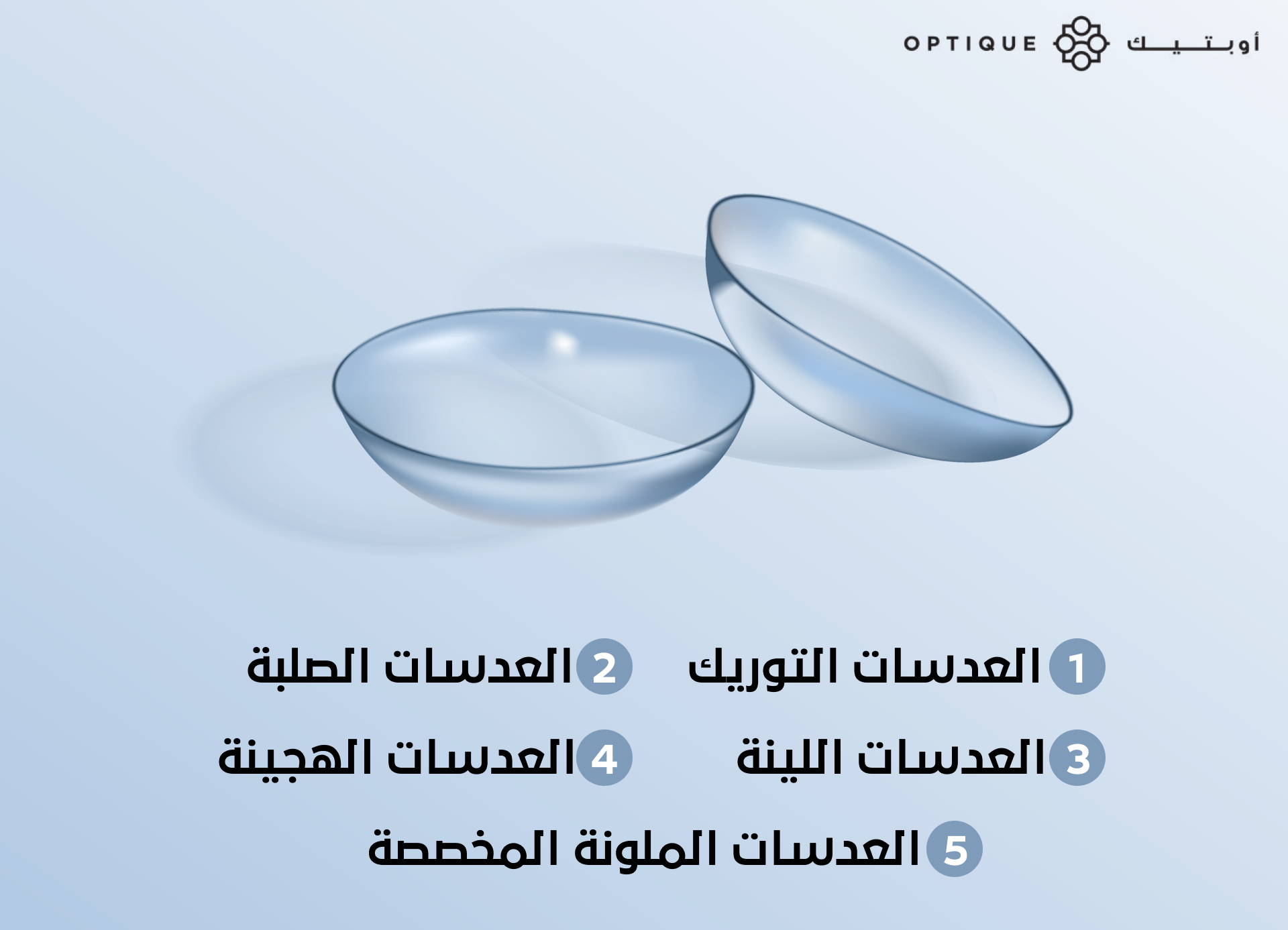
Treating astigmatism requires the use of lenses designed to precisely correct light refraction. Common types of lenses used include:
- Toric Lenses:
- These lenses are specially designed to correct astigmatism. They can be used as contact lenses or in eyeglasses. Toric lenses have two different curvatures to compensate for the irregular shape of the cornea.
- Rigid Gas Permeable (RGP) lenses:
- They are made of rigid materials but allow oxygen to reach the cornea. These lenses help improve vision for people with more complex refractive errors such as keratoconus.
- Soft contact lenses:
- Soft lenses may also be available specifically for astigmatism, but they are less effective in severe cases compared to rigid or toric lenses.
- Hybrid contact lenses:
- It combines the features of hard and soft lenses, with the center being hard to provide clearer vision, and the edges being soft to provide greater comfort.
- Custom colored lenses:
- Colored lenses can be customized to correct astigmatism while taking aesthetics into account, and they are available as part of toric lenses.
Check out the best lens deals from Optic:
Acuvue Oasis lenses for astigmatism
Biofinity lenses for astigmatism (corneal deviation) RX